

 0.1 (+0.56%)
 Tornar
 Imagine your pool without water circulation at the bottom. Stagnant water would become a breeding ground for algae and bacteria in a matter of days. This is where pool drains play a crucial role. A drain is much more than a simple outlet: it is the ‘heart’ of your filtration system, responsible for keeping your pool clean, safe and efficient.
Whether you have a private pool in your garden or manage a commercial wellness complex, understanding the types of drains, how to install them correctly and keep them in perfect condition is essential. In this guide, you’ll discover everything you need to know about pool drains: from the basic types to optimisation strategies that can significantly improve the efficiency of your installation.


 Contacte
 Tancar
What is a pool drain and why is it crucial?
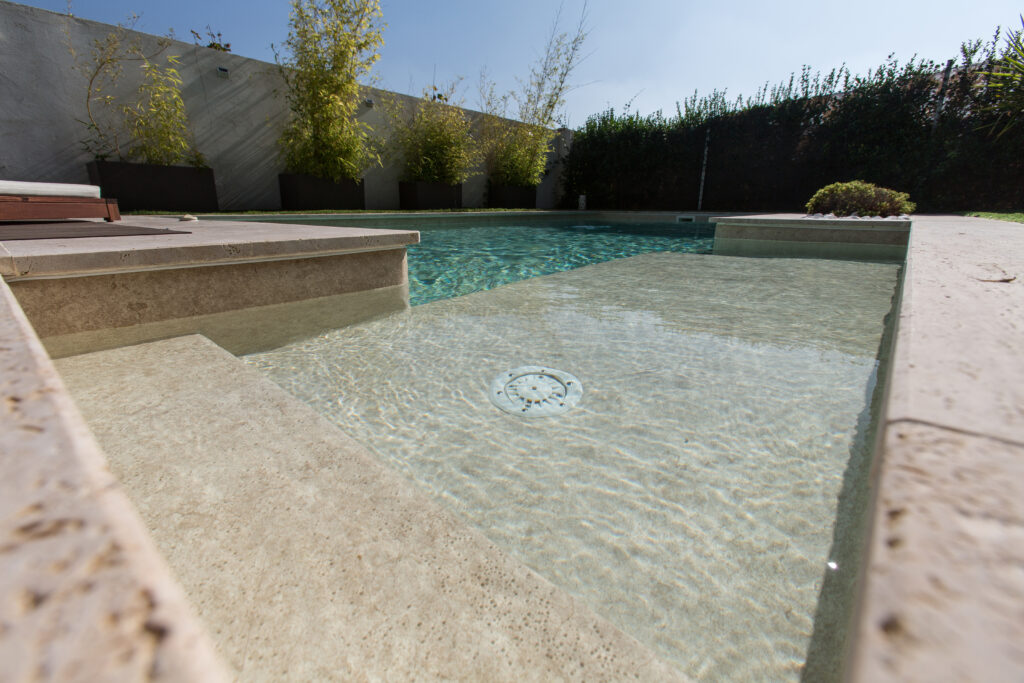
A pool drain is a drainage device located at the bottom of the pool that draws water into the filtration system. Think of it as your pool’s respiratory system: without it, the water would stagnate and the quality would deteriorate rapidly.
The drain serves a threefold purpose. Firstly, it allows water to be recirculated from the bottom to the filter, ensuring that all the water passes through the filtration system. Secondly, it facilitates the complete draining of the pool when necessary. Thirdly, and particularly important in public pools, it contributes to swimmers’ safety through anti-vortex designs that prevent entrapment.
Practical example: A 40m³ pool without adequate circulation will develop algae within 3–5 days. With a properly functioning drain, the water is completely recirculated every 6–8 hours, keeping the pool crystal clear.
Types of drains according to pool type
Not all drains are the same. The right choice depends on the type of pool you have: concrete, liner or prefabricated. Each has specific drainage requirements.
Drain outlets for concrete pools
These are installed directly in the bottom of the pool. Typically, larger (200–290 mm in diameter), they can handle a higher flow rate. They are permanent and very durable. Example: Ø 200 mm circular drain with a flat grate for concrete pools.
Drain outlets for liner pools
Specially designed not to damage the liner. They use ABS or stainless-steel materials with special seals. Smaller and more flexible to install. They can be retrofitted to existing pools without draining them completely.
Drains for prefabricated pools
They are integrated into the pool mould. Simpler installation, but limited customisation options. Ideal for private homes and small hotels.
Materials: ABS vs stainless steel vs polyester
The material of the drain determines its durability, chemical resistance and long-term cost of ownership.
ABS (Acrylonitrile Butadiene Styrene)
Economical option (€35–50). Includes UV treatment for resistance to sunlight. Durability: 15–20 years. Ideal for private residential swimming pools. Easy to install. Limitation: less resistant to concentrated chlorine than stainless steel.
AISI-316 stainless steel
Premium (€200–300). Maximum durability: 30+ years. Fully resistant to chlorine, salt water and harsh chemicals. Perfect for hotels, spas and public swimming pools. TCO (total cost of ownership): best value in the long term despite the higher initial price.
Polyester + fibreglass (GRP)
Premium option for large commercial installations. Durability: 25–30 years. Higher flow capacity. High cost but high structural strength.
How many drains does your pool need?
The number of drains depends on the volume of your pool and current safety regulations. According to EN-13451 (European standard): a minimum of 1 drain for every 50m³ of water.
⭐ QUICK CALCULATOR:
Pool volume | Recommended drains
Up to 50m³ | 1 drain
50–100m³ | 2 drains (at least 2m apart)
100–200m³ | 3–4 drains (minimum distance 2m)
Important rule: The distance between drains must NEVER be less than 2 metres (standard EN-13451). This prevents turbulence and ensures uniform coverage of the pool floor.
Anti-vortex grates and safety standards
Safety is a priority. An anti-vortex grate disperses the suction force, preventing people (especially children) from being trapped. The maximum permitted suction pressure is 1.5 m/s according to European standards.
Standards EN-13451-1 and EN-13451-3: These regulations set out the safety standards for drains in public and communal swimming pools. They require:
- Maximum flow velocity: 0.5 m/s
- Suction velocity in the pipe: maximum 1.5 m/s
- Minimum distance between drains: >2 metres
For private residential swimming pools, the requirements are less strict, but European standards are a good benchmark for quality.
Correct installation: step by step
Correct installation is the foundation of an efficient and safe drainage system for decades to come.
Step 1: Location and depth
The drain should be installed at the deepest point of the pool. Minimum distance of 0.5 metres from the walls. If you have 2 drains, position them diagonally at a distance of >2 metres apart.
Step 2: Connection to the filtration system
Connection pipes: The diameter must match the drain outlet (typically 2″ = 50 mm for concrete). Ensure that the pipe slopes gently towards the pump to prevent air bubbles.
Step 3: Test run
Fill the pool slowly. Check that the flow is even and the suction pressure is within range (1.5 m/s maximum). Listen for any unusual noises that might indicate blockages or leaks.
⚠️ Pro tip: For large pools or commercial installations, hire a certified professional. For small residential pools, you can do it yourself if you have plumbing experience.
Drainage systems and energy efficiency: impact on hotels and spas
A well-designed drain not only filters water: it optimises your water recirculation, reducing energy consumption by up to 15% and significantly improving the guest experience.
For hotels and wellness centres:
- Consistently crystal-clear water = Greater guest satisfaction = Better reputation in reviews
- Lower energy consumption (more efficient pumps) = 10–15% operational savings
- Reduced need for corrective chemicals = Better operating margin
- These improvements justify 15–30% higher room rates = higher RevPAR
Fact: Hotels with optimised circulation systems see a 12–18% higher occupancy rate during the low season. Find out more about how to increase RevPAR with aquatic amenities in our hotel RevPAR guide.
Drain maintenance: a practical guide
Preventive maintenance is key. A blocked drain reduces filtration efficiency by 40–50% and can cost €500+ in emergency repairs.
Weekly cleaning (5 minutes)
Remove leaves, insects and debris from the grate. Use a soft broom or brush. Check for any build-up of sediment around the drain.
Monthly inspection (15 minutes)
Check that the water flow is even. Listen for unusual noises (these may indicate blockages). Check the grate for cracks or damage.
Annual professional audit
Particularly important for public or commercial swimming pools. A technician will check: suction pressure, watertightness, the condition of seals and fastenings, and compliance with regulations. Systems such as those from Fluidra include automatic pressure monitoring to detect problems early.
Warning signs:
- Slow or no drainage → blockage in the drain grate
- Abnormal noise or vibration → possible cavitation in the pipe
- Water loss → leak in connections or crack in the drain
Frequently Asked Questions
What is the difference between a drain and a skimmer?
The skimmer draws water and debris from the surface along the pool’s side walls. The drain recirculates water from the bottom. Both are necessary for complete filtration and even circulation. An optimal system has at least 1 skimmer and 1 drain.
What size drain do I need for a 50m³ pool?
A 200mm (Ø) circular drain is typical. If you prefer more capacity or if you have a lot of leaves/dust, consider 2 drains of 150mm each, spaced >2m apart.
How often should I clean the drain grate?
Weekly, or more frequently if your area has a lot of leaves/dust. A blocked strainer compromises the entire pool filtration system and accelerates algae growth.
Can I replace a drain myself?
For small residential concrete pools, yes. You will need to drain the pool, disconnect pipes and apply new sealant/adhesive. For liner or commercial pools, hire a professional to ensure proper sealing and compliance with regulations.
How long does a pool drain last?
ABS: 15–20 years. Stainless steel: 30+ years. Polyester/fibreglass: 25–30 years. Actual durability depends on water quality (pH/chlorine), maintenance and material. A well-maintained drain lasts much longer than a neglected one.
Conclusion
Pool drains are not simply components that go unnoticed: they are the heart of your filtration system. Choosing the right type, installing it properly and maintaining it consistently can make the difference between a crystal-clear, efficient pool and costly problems with cloudy water and algae.
Whether you are a residential pool owner or a wellness resort manager, investing in quality drains and regular maintenance translates into energy savings, greater guest satisfaction, and ultimately, a higher RevPAR.
Want to optimise your circulation system? Discover how Fluidra designs specialised drainage solutions for hotels and spas. [Contact us for a free audit of your installation].