

 -0.08 (-0.44%)
 Go back
 Ice baths have gained significant popularity in recent years, becoming a staple in wellness centers, spas, hotels, resorts, and real estate developments. These cold-water immersion treatments offer numerous benefits for both users and facilities, making them an attractive addition to any wellness space. In this article, we will explore the fundamentals of ice baths, their applications, types, and benefits, as well as key considerations for designing, installing, and maintaining these restorative amenities.


 Contact us
 Close form
Cold therapy has evolved from playing a secondary role in spa circuits to becoming one of the elements that most piques the curiosity of guests, athletes, and wellness center users. However, integrating ice baths into a professional facility requires much more than simply providing a tub of cold water.
The experience must be designed with the user’s journey, thermal stability, water quality, safety, and the facility’s ability to operate continuously in mind. For this reason, hotels, spas, and fitness centers use solutions specifically designed to maintain controlled and consistent conditions.
But what are ice baths really for, and what should be considered when incorporating them into a wellness project?
Why integrate ice baths into the hospitality sector?
Ice baths involve partial or total immersion of the body in cold water for a limited period of time. In professional settings, they are part of thermal contrast experiences, in which users alternate between hot, warm, and cold environments.
Their main function is to provide an intense thermal stimulus after using a sauna, a steam room, or engaging in physical activity. Exposure to the cold triggers an immediate response from the body and creates a sensation of invigoration that many users associate with refreshment, recovery, and well-being.
In the hospitality sector, their appeal extends beyond the sports realm. A cold plunge can help create a more comprehensive wellness journey, offer a memorable experience, and meet the growing demand for services related to personal care.
Cryotherapy can also incorporate other solutions, such as cold showers, ice fountains, or cooling areas. The choice depends on the available space, the establishment’s profile, and the intensity of the experience you wish to offer.
Contrast Circuits and Transitions in the Water Journey
The placement of ice baths should follow the logic of the circuit, not merely aesthetic criteria. They are typically positioned after a heat facility to facilitate a clear transition between thermal stimuli.
A possible route might include:
- A preliminary shower and body preparation.
- Sauna or steam room.
- A lukewarm shower to rinse off sweat.
- Brief immersion in the cold bath.
- Rest and hydration area.
The route between each stage should be short, intuitive, and safe. It’s also important to separate wet areas from rest areas and avoid unnecessary crossings between users.
Signage should explain how to use each facility, indicate that entry into the water should be gradual, and remind users that the experience should not become a test of endurance. In a hospitality setting, the goal is to promote well-being through a controlled and understandable journey.
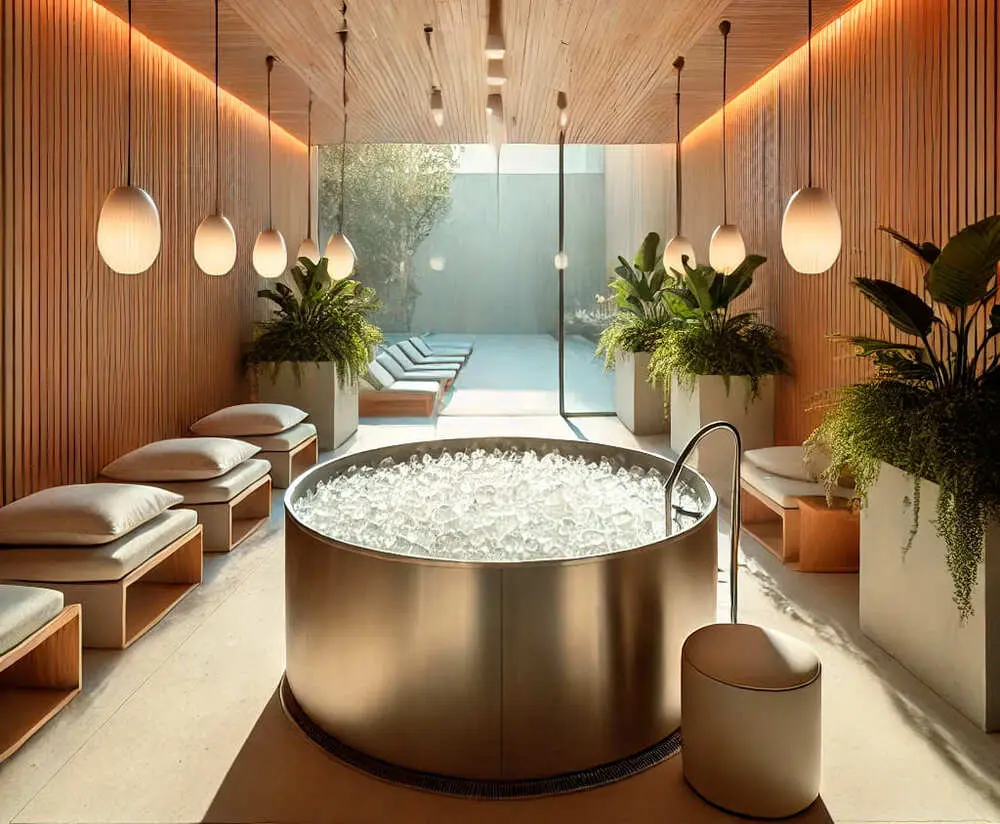
Benefits of Ice Baths in Terms of Profitability and User Experience
When analyzing ice baths and their benefits, it is important to distinguish between the user’s physiological response and the value the facility brings to the establishment. Scientific evidence particularly supports their usefulness in reducing the perception of muscle pain after certain exercises, although their effects may vary depending on temperature, duration, type of activity, and individual characteristics.
From an experiential standpoint, a cold bath can:
- Complete thermal contrast circuits.
- Create an immediate feeling of invigoration.
- Expand the range of experiences in the wellness area.
- Attract users interested in recovery and wellness.
- Facilitate personalized experiences based on individual tolerance to cold.
- Become a distinctive and recognizable feature of the space.
For the facility, the value must be analyzed within the context of the overall project:
| User experience | Impact on the facility |
|---|---|
| Greater variety within the circuit | More comprehensive wellness offerings |
| A novel and memorable experience | Differentiation from other venues |
| Use after a workout | Connection between the fitness and wellness areas |
| Programs tailored to different profiles | Greater versatility of the facilities |
| A sense of care and expertise | Strengthening the facility’s positioning |
This does not mean that the facility will automatically generate profitability. Its contribution will depend on factors such as projected demand, integration with other services, utilization capacity, energy consumption, maintenance, and communication of the experience.
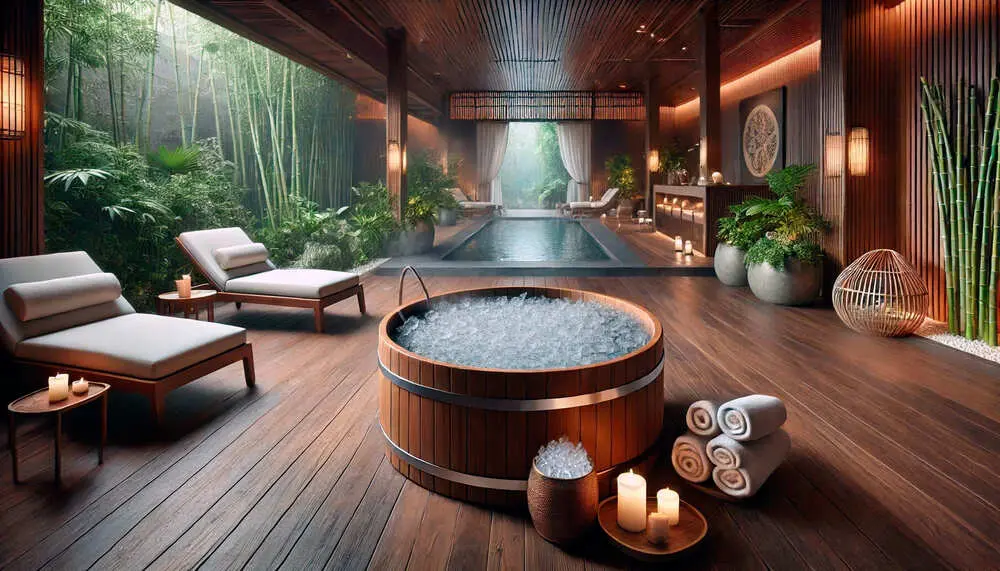
Ice baths for high-performance athletes
Ice baths for athletes are primarily used after demanding training sessions, competitions, or periods with little rest between exertions. In these contexts, immersion in cold water can help temporarily reduce feelings of fatigue and muscle soreness.
However, there is no universal protocol. The strategy must be tailored to the sport, the training load, and the objective of each session. For example, the recovery needed between two closely scheduled matches is not the same as the adaptation sought after a strength training session.
Furthermore, systematic use immediately following muscle endurance exercises could interfere with certain training adaptation processes. For this reason, professional protocols should be defined by strength and conditioning coaches and specialists, rather than applying cold therapy indiscriminately.
Recovery Tailored to Athletic Demands
In sports facilities, ice baths should be part of a broader recovery strategy. They are not a substitute for rest, hydration, nutrition, or proper training load planning.
Their usefulness can be particularly relevant when the primary goal is to restore physical sensations between upcoming workouts. The coaching staff should assess:
- The type and intensity of the exercise performed.
- The time available until the next session or competition.
- The athlete’s individual response to cold.
- The temperature and duration of the immersion.
- The depth reached by the body.
- The goal of recovery or physical adaptation.
In this context, a professional system offers an advantage over the occasional use of ice: it allows you to control the temperature, maintain water quality, and replicate the conditions of the protocol. Although the terms are often used interchangeably, a plunge pool is a facility specifically designed for cold immersion, whereas an improvised ice bath makes it difficult to maintain consistent conditions.
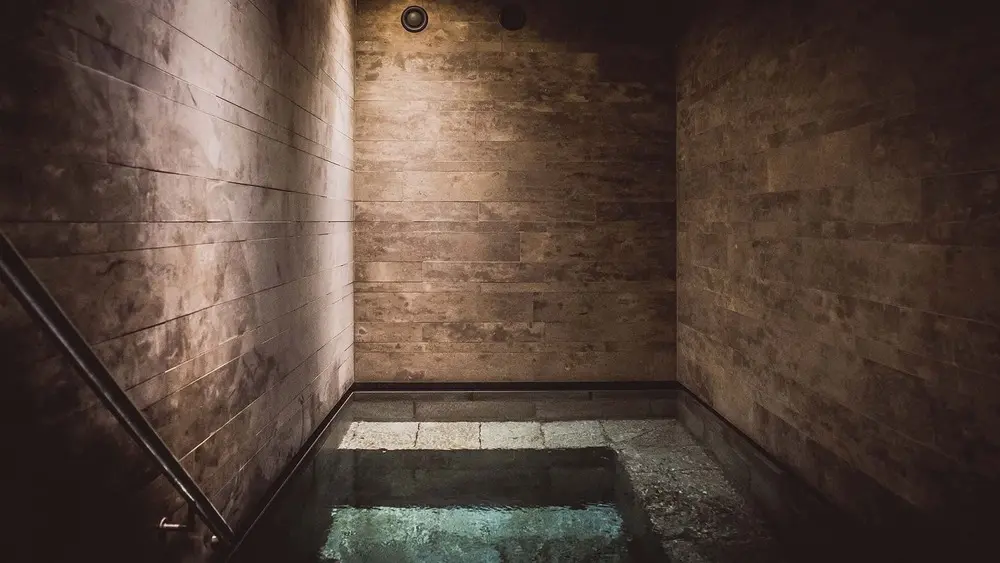
Key Criteria for Installing Ice Baths
To integrate ice baths into a hotel, spa, or fitness center, it is necessary to coordinate architecture, plumbing, HVAC, water treatment, and daily operations. The main criteria are:
- Stable temperature: The system must maintain the defined temperature range even as usage frequency increases.
- Water treatment: Filtration and disinfection must be scaled according to volume, the number of bathers, and applicable regulations.
- Water renewal and circulation: Areas with poor water movement must be avoided, and uniform distribution must be ensured.
- Safe access: Steps, handrails, and non-slip surfaces reduce the risk of falls.
- Ergonomics: The depth, handholds, and interior space must facilitate controlled entry and exit.
- Capacity: The size of the facility must be appropriate for the expected number of users.
- Energy efficiency: Insulation, covers, and cooling equipment all affect energy consumption.
- Maintenance: Technical components must remain accessible to facilitate inspections and cleaning.
- User information: Instructions, contraindications, and estimated times should be clearly visible.
- Professional supervision: People with cardiovascular diseases, blood pressure issues, or other medical conditions should consult a healthcare professional beforehand.
Ice baths can enhance a wellness project as long as they are designed as a technical facility integrated into the overall experience rather than as an isolated element. Fluidra applies its expertise in design, water treatment, and aquatic solutions to develop cold therapy spaces tailored to hotels, sports centers, and wellness complexes, combining user experience, safety, and operational efficiency.